When downloading Quran Arabic text for a project, start at the provider's own page and save its text type, version, source and terms with the file. Preserve an unchanged original before any permitted processing. Check chapter-and-ayah mappings and the rendered result as well as the data; an attractive font alone does not verify the text underneath it.
Keep a project source record
- Download: record the provider URL, text type, version and applicable attribution or redistribution conditions.
- Preservation: keep the original file unchanged and distinguish it from any permitted derived working copy.
- Verification: check reference mapping and sample rendered passages against the original, including letters and smaller marks.
Start with the provider's source file
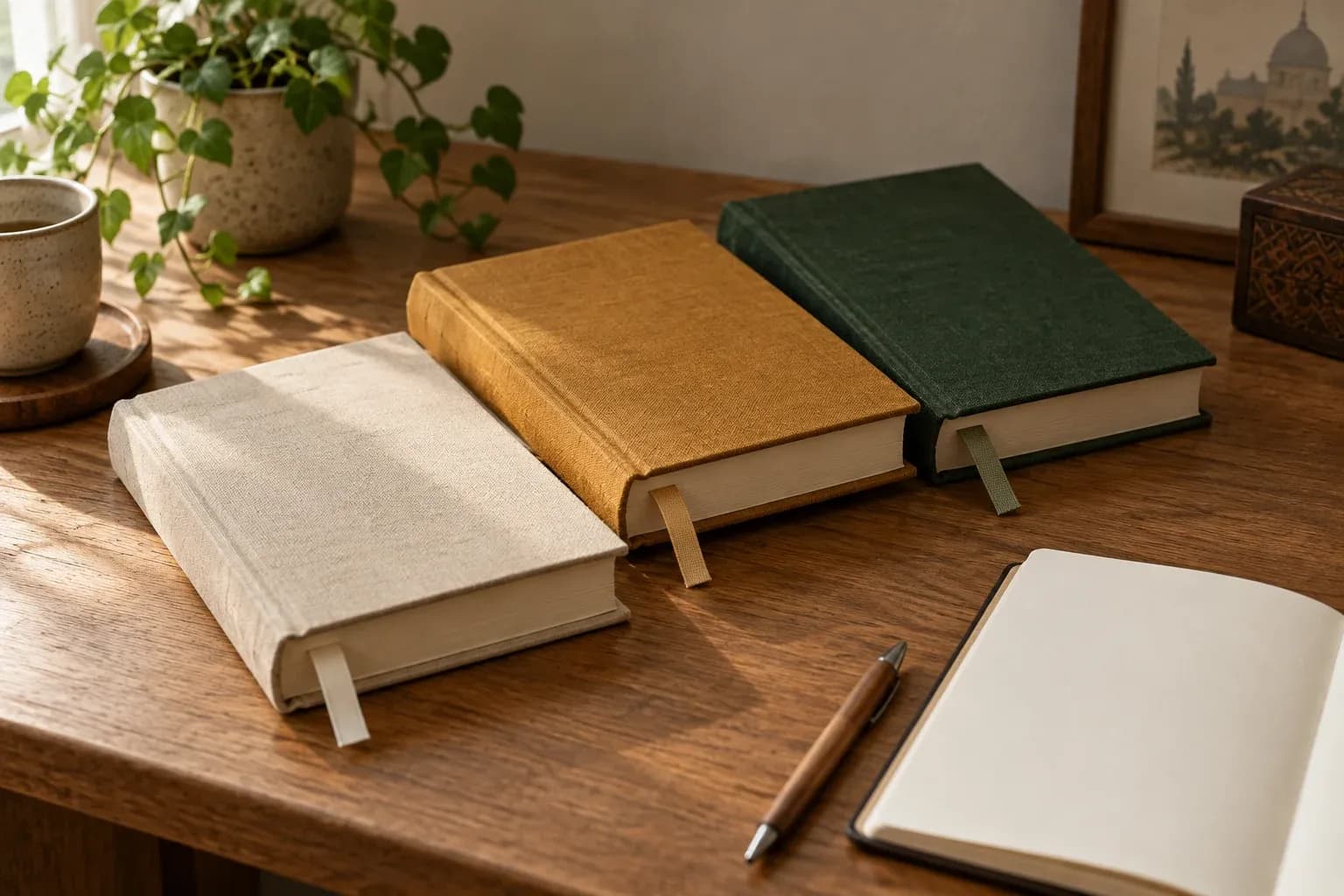
An original, researched editorial guide. Sources checked on 10 October 2026. Worked exercises are editorial suggestions; tool instructions identify their provider sources. The cover is an editorial illustration.
When downloading Arabic Quran text, identify the provider, text representation, version and permitted use before bringing the file into a project. Preserve an untouched original and check both the stored text and its final display. A file that opens successfully still needs accurate references, appropriate rendering and clear source information.
This guide is for an educator preparing material, a developer evaluating a text resource, or a reader trying to understand what a download contains. It gives a practical handling process. Publishing a new Quran edition or teaching from altered notation requires expertise beyond a basic file-format check.
Start at the provider's own download page
Tanzil's Quran text download is a primary source for its supplied files. Its text-type documentation distinguishes Uthmani and Simple families and describes variants with different selections of marks. Choose the documented resource for your intended task and record the option you selected.
A filename such as quran.txt is not enough provenance on its own. Save the source URL, download date and available version information beside the file. If a third-party repository distributes a transformed copy, inspect both the original source and the documented transformation before deciding whether it is appropriate for your use.
Be specific about what you need. A reading display, an Arabic search index and a classroom handout can have different technical requirements. A simplified search representation should not silently become the displayed recitation text. Preserve the provider's distinctions throughout the project so another person can understand which resource supplies which layer.
Read the actual redistribution conditions
Tanzil's text license states conditions for copying and distributing its text, including preserving it unchanged, identifying the Tanzil source, linking to the project and including its notice where required. Read the complete notice for the resource you use. Keep a copy with your source records rather than reducing it to a remembered license label.
Other providers can have different conditions for text, translations, recitations and fonts. Check each resource separately. An Arabic text file's conditions do not automatically cover an English translation or an audio recording that appears beside it on a reading website. Record the relevant provider and terms for every layer you plan to reproduce.
For the Quran Foundation API, its Content Sync instructions explain the permitted offline-sync path for supported content. They distinguish that path from building offline copies out of ordinary API responses. Follow the current provider instructions instead of assuming that public availability grants unlimited storage or redistribution.
Preserve an original before transforming data
Keep the downloaded file intact in a clearly named source folder. Work on a separate copy when converting a file to JSON, importing it into a database or adding indexing fields. Maintain a record of the transformation so the original can be compared with the output when a question arises.
A checksum can help establish that a saved file has not changed since you recorded it. It cannot establish that the original content was accurate. Use it as an integrity aid alongside identified provenance and content checks. Label it with the algorithm and exact file rather than treating an unexplained string as a certificate of authenticity.
Make transformations explicit. Adding database identifiers or splitting records into chapter and ayah fields is different from changing the stored Arabic string. Keep the content string intact where the provider's terms require that. If a search index needs normalization, maintain that as a separately identified layer and preserve the original for display and verification.
Verify chapter and ayah mappings
Check the structure supplied by the provider. Every imported record should retain its intended Quran location. Pay particular attention to chapter boundaries, the first and last records in a selection, and anything the transformation handles specially. A correct-looking Arabic line can still be attached to the wrong reference after a faulty import.
Tanzil's metadata documentation supplies structural information separately from the Arabic text. Use a documented, compatible reference system when matching files. A page map is also tied to a particular mushaf layout, so retain the layout information when importing page references alongside chapter-and-ayah references.
Choose a small test selection before importing a large collection. Confirm that you can find the same passage in the source file, the transformed data and the reading display. Document the checked references. If those locations disagree, fix the mapping before treating a successful bulk import as complete.
Check the rendered result, not only the data file
Arabic text needs a suitable rendering setup. The Quran Foundation font guide distinguishes Unicode text from glyph-based representations and explains matching font requirements. A glyph-based sequence may depend on a particular font and page information. Keep those dependencies with the data rather than assuming any Arabic font will display it correctly.
Inspect the passage in its final destination: the web page, document, print preview or app screen that readers will use. Compare it with the source reading view and have appropriate expertise check any doubtful marks. A plain-text inspection and a browser screenshot answer different questions about the result.
Copy-and-paste is another transformation worth checking. The destination can change direction, spacing or rendering. Verify the actual displayed passage and its reference after pasting, especially before distributing a handout. Return to the original provider when uncertain instead of manually repairing unfamiliar notation from memory.
A source record for the project
- Provider and exact source URL.
- Resource name, selected text representation and available version.
- Download date and the untouched original filename.
- Applicable notice or terms, recorded with the resource.
- Transformation steps and the references checked in the final display.
Give that record to the next person who maintains the project. It explains where the content came from and how to verify a reported problem. For reader-facing display choices, continue with Uthmani and IndoPak scripts. Accurate handling begins with an identified source and continues through the way the passage is actually shown.
Tanzil Quran text download — Text choices and redistribution conditions were checked against Tanzil's own documentation. This is a data-handling guide; it does not certify a new Quran edition.
Related reading
Continue with How to Copy Quran Arabic Text Without Losing Its Marks or Uthmani vs IndoPak Quran Script: Text, Fonts and Display.


Responses
A thoughtful conversation starts with care. Responses are reviewed before they appear.
Loading the conversation…