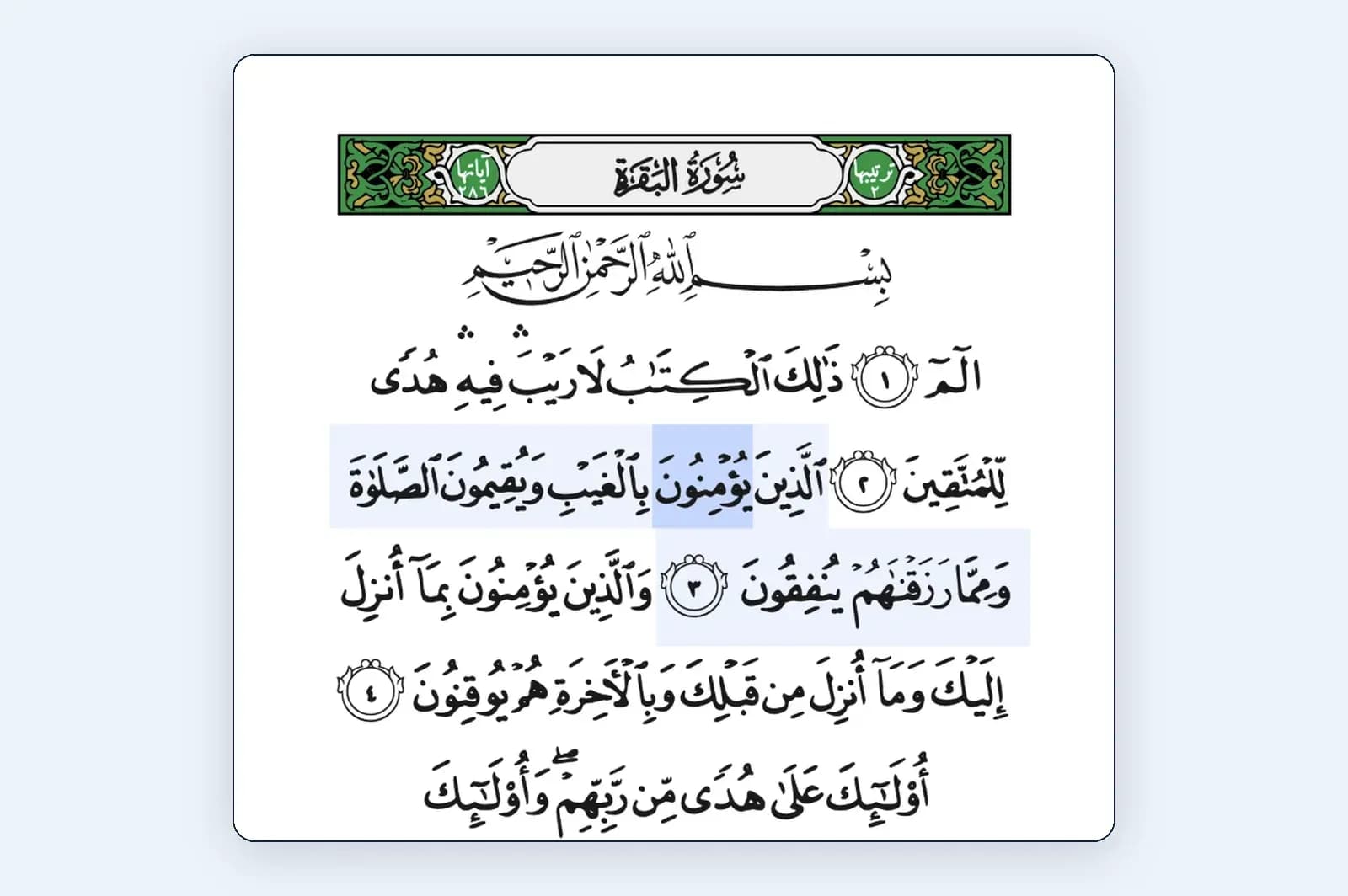
There is no single completion time that fits everyone memorizing the Quran. Your starting recitation, the portion you already know, the time you can protect, the amount of revision, and feedback from a teacher all affect the plan. A useful estimate starts with the work you can sustain now and changes as that evidence changes. Keep two milestones distinct: reaching the end of a first memorization pass, and being able to retrieve and recite what you learned after time has passed.
Start with the conditions behind a timeline
Institutional programmes make that distinction practical. Lewisham Islamic Institute's adult hifdh programme expects fluent reading and regular revision; its duration FAQ says completion cannot be guaranteed and depends on the student. A published timetable tells you when classes meet, not when every learner will finish. Before borrowing someone else's pace, ask what reading level, homework, revision and teacher access their programme assumes. Compare those conditions with your own rather than treating a course length as a personal prediction.
Begin by asking a teacher to hear a short portion and discuss the work ahead. You may need to correct some recitation before increasing memorization, or strengthen an earlier passage before adding another. Put that work into the plan. Write down what counts as a new portion ready for the next step: for example, reciting it to your teacher with the level of independence they ask for. An app's completed activity and a teacher's recitation check answer different questions; keep both records clear.
Measure a pace you can actually sustain
Next, observe your ordinary weeks. Note the time actually spent on new learning, recent consolidation, older revision and teacher correction. Count newly learned material once, using the criterion you agreed with your teacher. A page revisited three times is still one page in the new-learning total. This is a planning record, not a score of your worth. Use weeks that resemble your usual commitments, including the days when study has to be shorter, rather than estimating from your most productive afternoon.
Choose a unit you can keep consistent. Pages can work if you use the same mushaf edition and record partial pages clearly. If your reader layout changes with font size, a screenful is not a dependable page unit; use fixed references or a stable print layout instead. See why Quran page numbers differ before comparing page targets. Ayah ranges are another option, but equal ayah counts do not necessarily represent equal amounts of text or effort. Keep the unit and its limits beside the calculation.
Use transparent arithmetic for a named portion
Here is an invented planning example, not a forecast for the whole Quran. Suppose a learner's chosen remaining portion occupies 60 pages in the edition they use. After observing ordinary active weeks, they find that two genuinely new pages per week fit alongside their existing revision and teacher checks. The arithmetic is 60 ÷ 2 = 30 new-learning weeks. This describes the first-pass workload for that particular portion at the observed rate. It does not establish a completion date or show that all 60 pages will remain independently retrievable at the end.
Change an assumption and the arithmetic changes. At one new page per active week, the same 60-page portion requires 60 new-learning weeks; at three, it requires 20. Those are scenarios to discuss, not targets to force. A rate chosen before you have made room for revision can make the calculation look attractive while leaving the actual week impossible. If you have no reliable observed rate yet, begin with a smaller portion and a review point rather than assigning a distant finish date from guesswork.
Separate learning weeks from the calendar
Add calendar realities separately. If the 30-week example excludes an interruption during which no new material is planned, that interruption must be allowed for in the calendar. Consolidation-only weeks and time spent correcting recitation also need space. If your observed weekly average already includes such weeks, do not add the same allowance twice. Write down what the average includes, and treat any resulting date as a planning estimate to revisit. The calculation is useful because its assumptions are visible, not because it can promise the future.
Check revision capacity as the memorized portion grows. Ask whether older material is getting the attention agreed with your teacher, and whether recent learning still holds when you return. If revision regularly uses all the time available, the next adjustment may be less new material or a period of consolidation. Ribat's Juz Tabarak course, for example, combines an approximately one-page weekly learning pace with review and quizzes. That is a course-specific design, not a recommended universal rate. Your plan needs its own workable balance.
Recalculate when the evidence changes
Use a checkpoint to revise the estimate rather than defending the original number. Compare the new material you planned with what actually met your agreed criterion, then look at the revision still waiting. Ask which assumption changed: available time, reading difficulty, teacher availability or the amount needing consolidation. You may need another sample of ordinary weeks before calculating again. A slower first pass with room to return to earlier learning can be a sensible plan; a faster first pass is not evidence by itself that later recall is secure.
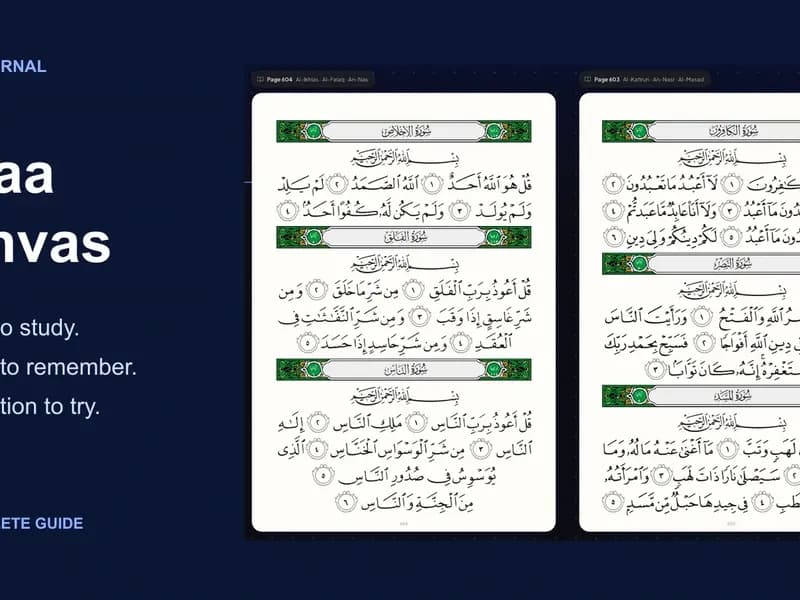
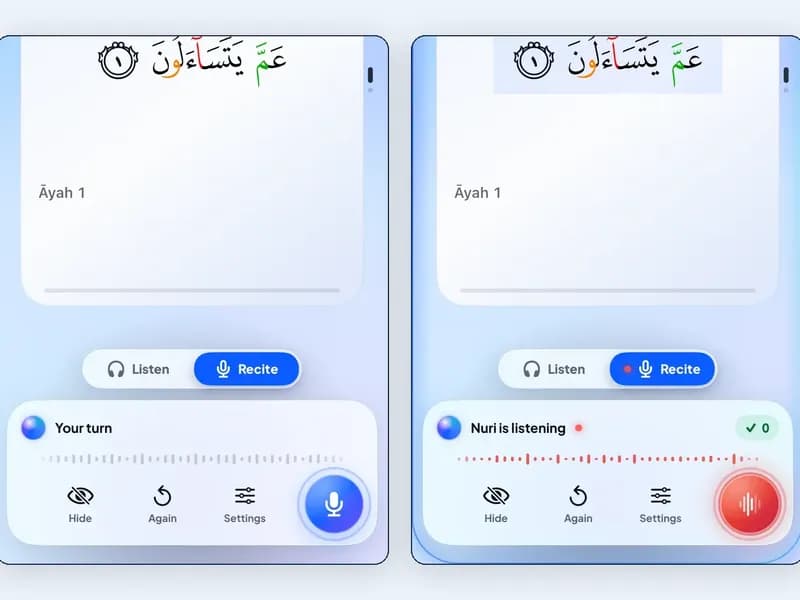
Qiraa can make some of that evidence easier to follow. Its memory-review guide describes Listen, Repeat and Test, then returning when a passage is due. Use that cycle for a small portion and note the help you needed. At your checkpoint, compare those later attempts with your teacher's feedback before increasing new work. The observation to bring to the teacher is specific: which passage remained available, which needed prompting, and how much practice time revision actually used.
Keep a planning note you can revise
- Scope: the exact remaining portion and the mushaf edition or reference unit.
- Starting point: what the teacher asked me to strengthen before adding more.
- Observed pace: new material per week, counted once, with the review work included.
- Assumptions: which interruptions or consolidation weeks the average already includes.
- Next checkpoint: when we will hear the passage again and reconsider the pace.
Keep the short planning note below with your memorization record. It gives a teacher something concrete to adjust and makes a change of pace easier to explain. For organising the tasks within the week, the guide to making room for Quran revision can help you connect a long-range estimate to today's work. Return to the note when circumstances change. The next useful step is a portion you can learn, have checked and return to, with enough room left to keep what came before it.
Lewisham Islamic Institute: adult hifdh programme and duration FAQ
Responses
A thoughtful conversation starts with care. Responses are reviewed before they appear.
Loading the conversation…